)
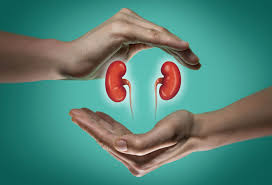
Kidney Health Management focuses on maintaining the proper functioning of kidneys, which play a vital role in filtering waste, balancing fluids, and regulating essential minerals in the body. Kidney-related issues are becoming increasingly common due to unhealthy lifestyle habits, poor diet, stress, and chronic medical conditions. Kidney problems not only affect physical health but can also impact overall energy levels, immunity, and quality of life. At Purshveda, we approach kidney health through a holistic Ayurvedic perspective, addressing root causes and restoring balance naturally without harmful side effects.
What is Kidney Health Treatment?
Kidney health refers to the optimal functioning of the kidneys in filtering toxins, maintaining electrolyte balance, regulating blood pressure, and supporting overall metabolic processes.
Healthy kidneys:
- Remove waste and toxins from the blood
- Maintain fluid and electrolyte balance
- Regulate blood pressure
- Support red blood cell production
Any disruption in kidney function can lead to toxin buildup and serious health complications if not managed on time.
Symptoms of Kidney Problems
- Swelling in feet, ankles, or face
- Frequent urination or reduced urine output
- Foamy or dark-colored urine
- Fatigue and weakness
- Loss of appetite
- Nausea or vomiting
- Difficulty concentrating
- Muscle cramps
- High blood pressure
- Shortness of breath
Causes of Kidney Problems
- Chronic conditions like Diabetes and Hypertension
- Poor diet (high salt, processed food)
- Dehydration and low water intake
- Excessive use of painkillers or medications
- Infections affecting the urinary tract
- Obesity and sedentary lifestyle
- Smoking and alcohol consumption
- Stress and poor sleep patterns
- Genetic or hereditary factors
Modern (Allopathy) Perspective, Treatment & Side Effects
Modern Perspective
Modern medical science considers kidney problems primarily as a result of reduced kidney function caused by chronic diseases, infections, or structural damage.
Common Treatments
- Medications to control blood pressure and blood sugar
- Diuretics to remove excess fluid
- Dialysis in severe kidney failure cases
- Kidney transplant (in advanced stages)
- Dietary restrictions (low sodium, potassium, etc.)
Limitations & Side Effects
While modern treatments are essential in critical conditions, they have certain limitations:
- Focus on disease management rather than root-cause healing
- Long-term dependency on medications
- Side effects like fatigue, dizziness, digestive issues
- Dialysis can affect quality of life
- High cost in advanced treatments
Ayurvedic Perspective, Causes & Treatment
According to Ayurveda, kidney health is linked with balance of Tridoshas (Vata, Pitta, Kapha), proper functioning of Mutravaha Srotas (urinary system), and strong Agni (digestive fire). Kidney disorders are often associated with Mutrakricchra (urinary disorders) or Mutraghata (urinary obstruction), arising due to imbalance in Kapha and Vata doshas along with toxin accumulation (Ama).
Ayurvedic Causes
- Weak digestion (Mandagni)
- Accumulation of toxins (Ama)
- Imbalance of Vata and Kapha doshas
- Poor dietary habits
- Excess salt and heavy foods
- Sedentary lifestyle
- Stress and mental imbalance
- Improper hydration
Ayurvedic Treatment Approach
- Herbal Medications: Ayurvedic herbs like Punarnava, Gokshura, Varun, and Chandraprabha help in detoxification, improving kidney function, and reducing inflammation.
- Panchakarma (if required): Detox therapies help eliminate toxins and restore internal balance.
- Diet & Lifestyle Correction (Dinacharya): Emphasis on hydration, balanced diet, proper sleep, and daily routine.
Treatment at Purshveda: 4-Step Holistic Protocol
At Purshveda, Kidney Health Management is treated through a personalized and root-cause-based approach:
Step 1: Ayurvedic Doctor Consultation
A detailed consultation includes Prakriti (body constitution) analysis, identification of root cause, and evaluation of lifestyle and medical history. Based on this, a customized treatment plan is created using 100% natural and certified Ayurvedic formulations.
Step 2: Customized Diet & Lifestyle Plan
Patients receive a structured plan that includes foods to support kidney detox and function, guidance on hydration and meal timing, daily routine and lifestyle corrections, and yoga/light physical activities.
Step 3: Psychological Counseling
Mental stress can worsen kidney health. Our counseling helps in reducing stress and anxiety, improving mental clarity, and building a positive lifestyle approach.
Step 4: Medical Astrology Guidance
Purshveda integrates medical astrology to enhance treatment effectiveness by identifying energy imbalances, providing personalized remedies, and supporting long-term healing.
Online Ayurvedic Consultation for Kidney Health
PurshVeda provides Online Ayurvedic Consultation for Kidney Health, allowing individuals to discuss kidney-related concerns, lifestyle factors, and overall wellness with a qualified Ayurvedic healthcare professional from the comfort of their home.
During an online consultation, the healthcare professional may review:
- Current kidney-related symptoms and concerns
- Previous kidney or urinary health history
- Blood pressure and blood sugar history
- Relevant kidney function reports and laboratory tests, where available
- Urine test reports and imaging reports, where available
- Diet, hydration, and daily routine
- Sleep patterns and physical activity
- Existing health conditions such as diabetes or hypertension
- Current medications, supplements, and previous treatments
- Lifestyle factors such as smoking, alcohol consumption, and stress
Based on the individual assessment, personalized Ayurvedic guidance may include appropriate dietary and lifestyle recommendations, stress-management practices, daily routine guidance, and other supportive wellness measures.
Online Ayurvedic consultation may be considered for individuals looking for supportive guidance for kidney wellness or for managing lifestyle factors associated with kidney health. However, people with diagnosed kidney disease, reduced kidney function, kidney stones, urinary obstruction, or other significant kidney conditions should continue appropriate medical evaluation and treatment with a qualified healthcare professional.
Ayurvedic medicines or supplements should not be started or substituted for prescribed kidney treatment without professional guidance, as some substances may not be suitable for people with impaired kidney function.
Consult with a PurshVeda qualified ayurvedic doctors to determine whether Ayurvedic consultation is appropriate for your individual kidney health needs.