)
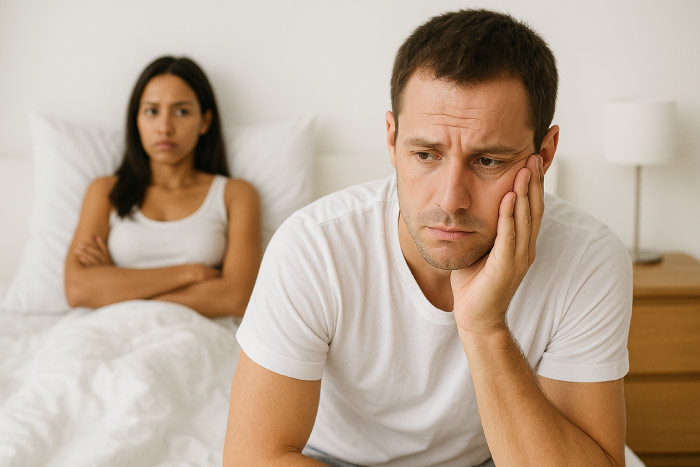
Low libido (Low Sex Drive), or reduced sexual desire, is a growing concern among men today, especially due to modern lifestyle patterns. When libido declines, it can contribute to frustration, reduced confidence, relationship strain, and emotional stress. Despite being common, many men hesitate to seek help due to social stigma or lack of awareness, which may delay proper evaluation and care. At PurshVeda, we approach low libido as a multi-dimensional health concern, focusing on possible underlying factors rather than temporary relief. Our personalized low libido treatment for men focuses on understanding individual lifestyle, dietary, psychological, and health-related factors.
What is Low Libido Treatment?
Low libido (Low Sex Drive) refers to a persistent or significant reduction in sexual desire or interest in sexual activity. Although libido naturally varies from person to person and can fluctuate due to temporary factors such as stress, illness, or fatigue. However, when the decrease in sexual desire:
- Lasts for an extended period
- Becomes noticeable compared to previous levels
- Starts affecting relationships or emotional well-being
then it is considered as a health concern that needs attention.
Symptoms of Low Libido (Low Sex Drive)
- Persistent lack of interest in sexual activity
- Reduced frequency of sexual thoughts, fantasies, or desire
- Difficulty initiating intimacy with a partner
- Reduced excitement or arousal during sexual activity
- Decreased satisfaction even after intercourse
- Constant tiredness or low energy levels
- Reduced stamina and physical strength
- Poor sleep quality or insomnia
- Hormonal imbalance signs (like reduced muscle mass or increased fat)
- Sometimes associated erection concerns
- Low self-confidence and reduced self-esteem
- Increased irritability or mood fluctuations
- Emotional disconnect or reduced bonding in relationships
- zHormonal Imbalance: Testosterone is the primary hormone responsible for sexual desire in men. Reducing levels of testosterone may be accompanied by increasing levels of female sexual hormones such as Estrogen and Progesterone. Low testosterone levels due to aging, stress, poor sleep, or obesity can significantly reduce libido.
- Chronic Stress & High Cortisol: Long-term stress increases cortisol levels, which suppress testosterone production and reduce sexual desire. Mental exhaustion also reduces interest in intimacy.
- Poor Nutrition: A diet lacking essential nutrients like healthy fats, zinc, proteins can impair hormone production and energy levels, leading to reduced libido.
- Sedentary Lifestyle: Lack of exercise reduces blood circulation, lowers energy levels, contributes to weight gain, and negatively impacts hormonal balance.
- Medical Conditions: Certain health conditions can directly or indirectly affect libido such as diabetes, thyroid disorders, obesity, cardiovascular diseases or some chronic illnesses.
- Sleep Disorders: Sleep plays a crucial role in hormone production. Poor sleep or insomnia leads to decreased testosterone and increased fatigue.
- Substance Use: Excessive alcohol consumption, smoking, and substance abuse negatively affect nerve function, blood circulation, and hormonal balance.
- Psychological & Relationship Factors: such as stress and anxiety, depression, relationship conflicts, performance pressure or fear of failure.
Modern Perspective for Low Libido (Low Sex Drive)
Modern medicine considers low libido as a condition influenced by hormonal imbalance (especially testosterone deficiency), psychological factors (stress, anxiety, depression), chronic diseases and medications. Common treatment approaches used in allopathy are Testosterone Replacement Therapy (TRT) used in cases of low testosterone, certain Antidepressants or anti-anxiety drugs for psychological causes, or medicines to manage underlying health conditions.
Limitations & Side Effects
While these treatments may provide short-term relief, they often do not address the root cause. Some potential concerns include:
- Hormonal therapy may suppress the body’s natural hormone production
- Risk of dependency on medications
- Side effects like acne, mood changes, sleep disturbances
- Limited effectiveness if lifestyle factors are not corrected
Ayurvedic Perspective on Low Libido
According to Ayurveda, proper libido depends on Tridosha balance (Vatta, Pitta, Kapha), Pachak Agni (Digestive Fire) and proper nourishment of reproductive tissues (Shukra Dhatu).
Ayurvedic Causes for Low Libido
- Imbalance in Vata, Kapha, Pitta Doshas
- Weak Pachak Agni leading to poor nutrient absorption
- Accumulation of toxins (Ama)
- Improper nourishment of Shukra Dhatu
- Improper diet and lifestyle routine (Dincharya)
- Chronic stress disturbing mental balance
Ayurvedic Treatment Approach
Ayurvedic treatment for low libido focuses on an individualized approach that considers diet, lifestyle, digestion, mental well-being, and overall reproductive health. Depending on the individual's assessment, Ayurvedic practitioners may recommend appropriate herbs, therapies, dietary measures, and lifestyle modifications.
- Ayurvedic Herbs: Classical herbs such as Ashwagandha, Shilajit, Safed Musli and many other 100+ herbs that help improve vitality, stamina, and reproductive health. Helps in restoring energy, improving tissue nourishment, and enhancing overall vitality.
- Panchakarma (if required): Detoxification therapies help in shodhana (purification of body) to remove toxins and restore internal Tridosha balance.
- Diet & Lifestyle Correction (Dincharya): Focus on Nutrient-rich and natural foods, proper meal timings, proper sleep routine, regular yoga asanas routine.
Treatment at PurshVeda: 4-Step Holistic Protocol
At PurshVeda, we follow a root-cause-based, personalized treatment plan based on ayurvedic principles:
Step 1: Ayurvedic Doctor Consultation
A detailed consultation includes:
- Assessment of body constitution (Prakriti Analysis)
- Identification of root cause
On the basis of this, a customized treatment plan is made consisting of 100% organic, lab tested and certified ayurvedic formulations.
Step 2: Customized Diet & Lifestyle Plan
Patients receive a structured plan that includes:
- Foods to eat and avoid to support hormone balance and energy
- Guidance on meal timings, sleep and daily routine
- Yoga Asanas
Step 3: Psychological Counseling
Since mental health plays a key role in libido so for improving clarity, reducing stress and anxiety, a structured psychological plan is shared.
Step 4: Medical Astrology Guidance
This unique integrative approach of Purshveda focusses on sharing medical astrology tips on the basis of birth date and time to make the treatment plan more effective.
Online Ayurvedic Consultation for Low Libido (Low Sex Drive)
PurshVeda offers Online Ayurvedic Consultation for Low Libido (Low Sex Drive) for men who want personalized guidance for concerns related to reduced sexual desire and overall sexual wellness. Online consultation allows you to discuss your concerns with a qualified Ayurvedic healthcare professional from the comfort and privacy of your home.
During the consultation, the healthcare professional may review your:
- Sexual and reproductive health concerns
- Lifestyle and daily routine
- Diet and nutritional habits
- Sleep quality and physical activity
- Stress and emotional well-being
- Medical history and current medications
- Available medical reports, where relevant
Based on the consultation and individual assessment, personalized guidance may include Ayurvedic lifestyle recommendations, dietary guidance, stress-management practices, and appropriate Ayurvedic care.
Online consultation may be considered for men experiencing:
- Reduced sexual desire or interest
- Low energy or stamina
- Stress-related changes in libido
- Lifestyle-related sexual wellness concerns
- Concerns associated with sleep or fatigue
- General male reproductive and sexual wellness
If low libido is persistent or accompanied by other symptoms, appropriate medical evaluation may also be recommended to identify possible underlying causes.
Consult with a PurshVeda qualified ayurvedic doctors for personalized guidance based on your individual health needs.