)
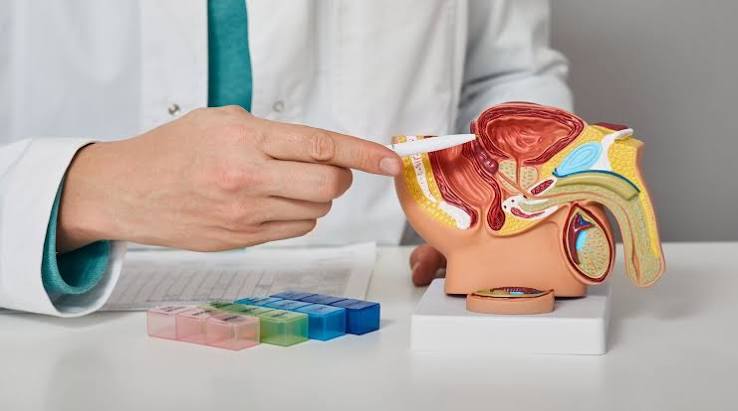
Male infertility is a growing reproductive health concern that can affect a couple’s ability to conceive. It may be associated with sperm production, sperm quality, sperm movement, reproductive anatomy, hormonal factors, lifestyle, or other health conditions. Male infertility can also contribute to stress, anxiety, and emotional pressure. At PurshVeda, we approach male infertility as a multi-dimensional health concern, focusing on individual factors related to reproductive health, nutrition, lifestyle, and overall well-being. Our personalized male infertility treatment approach is based on Ayurvedic principles and individual assessment.
What is Male Infertility Treatment?
Male infertility refers to a man’s inability to contribute to pregnancy due to problems related to sperm production, quality, or delivery. It becomes a concern when:
- Low sperm count (below normal levels)
- Poor sperm motility (reduced movement)
- Abnormal sperm morphology (shape issues)
- Difficulty in fertilization despite regular attempts
Symptoms of Male Infertility
Male infertility may not always show obvious symptoms, but common signs include:
- Low sperm count
- Reduced sexual stamina
- Erectile dysfunction or premature ejaculation
- Pain or swelling in testicular area
- Decreased facial or body hair (hormonal imbalance)
- Low libido or sexual weakness
- Fatigue and low energy
Causes of Male Infertility
Male infertility can result from multiple physical, hormonal, and lifestyle-related factors:
1. Hormonal Imbalance
Low testosterone or thyroid issues can affect sperm production and sexual health.
2. Medical Conditions
- Diabetes
- Obesity
- Thyroid disorders
- Infections in reproductive organs
3. Lifestyle Factors
- Poor diet and nutritional deficiencies
- Smoking, alcohol consumption
- Sedentary lifestyle
- Excessive heat exposure (laptops, tight clothing)
4. Psychological Factors
- Stress and anxiety
- Depression
- Performance pressure
5. Environmental Factors
- Exposure to toxins and chemicals
- Pollution and radiation
Modern (Allopathy) Perspective & Limitations
Modern medicine treats male infertility through hormonal therapy, supplements, and assisted reproductive techniques (IVF, IUI).
Limitations & Side Effects:
- Expensive and invasive procedures
- Temporary or symptomatic relief
- Emotional and physical stress
- Does not always address root cause
Ayurvedic Perspective on Male Infertility
According to Ayurveda, male fertility depends on a balanced Tridosha (Vata, Pitta, Kapha), a strong Pachak Agni (digestive fire), and a healthy Shukra Dhatu (reproductive tissue). Male infertility is associated with Shukra Kshaya (low sperm quality/quantity) and occurs due to:
- Weak digestion and toxin (Ama) buildup
- Stress and mental fatigue (Vata imbalance)
- Poor lifestyle and obesity (Kapha imbalance)
- Nutritional deficiencies
Ayurvedic Treatment Approach
An Ayurvedic treatment for infertility in male focuses on an individualized approach that may include dietary guidance, lifestyle modification, stress management, Ayurvedic therapies, and appropriate herbal support.
- 1. Vajikarana Therapy (Herbal Support): Powerful Ayurvedic herbs help improve fertility naturally. Ashwagandha enhances sperm count and reduces stress, Shilajit improves stamina and vitality, Kaunch Beej supports sperm production, Safed Musli boosts reproductive strength, and Gokshura improves urinary and reproductive health. These herbs nourish the reproductive system and improve sperm quality.
- 2. Panchakarma (Detox Therapy): If required, detox therapies help remove toxins (Ama), improve metabolism, and restore hormonal balance.
- 3. Diet & Lifestyle Correction: Eat nutrient-rich foods (milk, ghee, nuts, fruits), avoid junk, processed, and oily food, maintain a proper sleep cycle, practice yoga and meditation, and reduce stress and screen exposure.
Treatment at Purshveda: 4-Step Holistic Protocol
At Purshveda, treatment is provided through a personalized and root-cause-based approach:
Step 1: Ayurvedic Doctor Consultation
A detailed consultation includes Prakriti (body constitution) analysis and root cause identification. Based on this, a customized treatment plan is created using 100% natural and certified Ayurvedic formulations.
Step 2: Customized Diet & Lifestyle Plan
Patients receive a structured plan that includes foods to eat and avoid, meal timing and routine correction, guidance, and a yoga/physical activity plan.
Step 3: Psychological Counseling
Provides emotional and mental health support, stress and anxiety management, and aids hormonal balance through mental wellness.
Step 4: Medical Astrology Guidance
Purshveda also provides personalized guidance based on birth details, energy balance insights, and supportive remedies for long-term healing.
Online Ayurvedic Consultation for Male Fertility
For men who cannot visit a clinic in person, Online Ayurvedic Consultation for Male Fertility can provide access to personalized Ayurvedic guidance from a qualified practitioner.
An online consultation may include:
- Discussion of fertility concerns and health history
- Review of available medical or semen analysis reports
- Lifestyle and dietary assessment
- Ayurvedic Prakriti assessment
- Personalized diet and lifestyle recommendations
- Follow-up guidance based on individual needs
Online consultation does not replace urgent medical care or investigations that require an in-person examination. Men experiencing persistent fertility concerns should consider appropriate medical evaluation alongside any complementary Ayurvedic care.