)
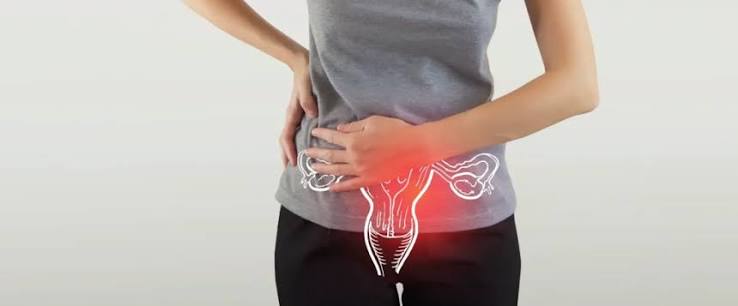
Low libido in women refers to a reduced or lack of interest in sexual activity. It is a common yet often overlooked condition affecting women of different age groups. Beyond physical concerns, low libido can impact emotional well-being, relationships, and overall quality of life. At PurshVeda, we treat low libido not just as a hormonal issue but as a holistic imbalance of body, mind, and lifestyle, offering safe, natural, and personalized Ayurvedic solutions.
What is Low Libido in Women Treatment?
Low libido in women treatment focuses on understanding and addressing factors associated with persistent or recurring low sexual desire. Occasional changes in sexual interest may occur due to fatigue, stress, relationship concerns, hormonal changes, or other lifestyle factors. Professional evaluation may be appropriate when:
- It is persistent over time
- It affects emotional or relationship satisfaction
- It leads to distress or reduced confidence
The appropriate low sex drive female treatment depends on the underlying factors and may involve medical evaluation, lifestyle changes, counselling, or other individualized approaches.
Symptoms of Low Libido in Women
- Reduced or no interest in sexual activity
- Lack of sexual thoughts or fantasies
- Difficulty in arousal
- Reduced pleasure during intimacy
- Vaginal dryness
- Low energy and fatigue
- Mood swings or irritability
- Stress or anxiety related to intimacy
- Low self-confidence
- Relationship dissatisfaction or avoidance of intimacy
Causes of Low Libido in Women
Several physical, emotional, and lifestyle factors may contribute to female low sex drive, including:
- Hormonal imbalance (estrogen, progesterone, testosterone)
- Menopause or post-pregnancy changes
- Stress, anxiety, or depression
- Relationship issues or emotional disconnect
- Chronic illnesses (thyroid, diabetes, etc.)
- Poor diet and nutritional deficiencies
- Lack of physical activity
- Certain medications (antidepressants, contraceptives)
- Poor sleep and lifestyle habits
Modern (Allopathy) Perspective, Treatment & Side Effects
Modern Perspective
Modern medical science considers low libido in women as a result of hormonal imbalance, psychological factors, or relationship and emotional concerns.
Common Treatments
- Hormone Therapy: Estrogen or testosterone-based treatments
- Medications: To improve sexual desire
- Counseling: For stress, anxiety, or relationship issues
- Lubricants or local treatments: For vaginal dryness
Limitations & Side Effects
While these treatments may provide temporary relief, they have limitations:
- Focus on symptom management, not root cause
- Hormonal therapies may cause imbalance
- Possible side effects such as headaches, mood changes, nausea
- Dependency on medication
- Not suitable for long-term use in many cases
Ayurvedic Perspective, Causes & Treatment
According to Ayurveda, female sexual health depends on the balance of Vata, Pitta, and Kapha doshas, proper digestion (Agni), and nourishment of reproductive tissues (Artava Dhatu). Low libido is often linked to Vata imbalance, stress, hormonal disturbance, and depletion of vital energy (Ojas).
Ayurvedic Causes
- Weak digestion (Mandagni)
- Toxin accumulation (Ama)
- Stress and mental exhaustion
- Hormonal imbalance
- Poor lifestyle and irregular routine
- Nutritional deficiencies
- Lack of emotional connection
Ayurvedic Treatment Approach
- Herbal Support: Herbs like Ashwagandha, Shatavari, and Safed Musli help improve hormonal balance, energy, and vitality.
- Detoxification (if required): Panchakarma therapies help remove toxins and restore internal balance.
- Diet & Lifestyle Correction: Focus on nourishing foods, proper sleep, stress management, and yoga practices.
Treatment at Purshveda: 4-Step Holistic Protocol
At PurshVeda, the approach to low libido in women is personalized according to individual health, lifestyle, emotional well-being, and reproductive health factors.
Step 1: Ayurvedic Doctor Consultation
A detailed consultation includes Prakriti (body constitution) analysis and root cause identification. Based on this, a customized treatment plan is created using 100% natural and certified Ayurvedic formulations.
Step 2: Customized Diet & Lifestyle Plan
Patients receive a structured plan that includes foods to eat and avoid, meal timing and routine correction, weight management guidance, and a yoga/physical activity plan.
Step 3: Psychological Counseling
Provides robust emotional and mental health support, targeted stress and anxiety management, and assists in establishing hormonal balance through structured mental wellness frameworks.
Step 4: Medical Astrology Guidance
Purshveda also provides personalized guidance based on birth details, energy balance insights, and supportive remedies for long-term healing.
Online Ayurvedic Consultation for Low Libido in Women
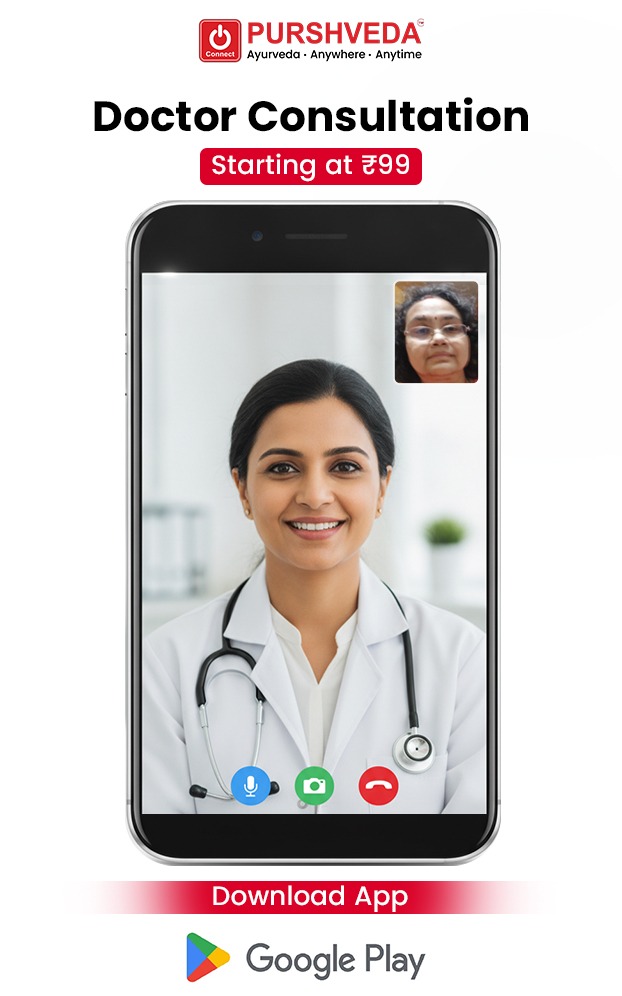
PurshVeda provides Online Ayurvedic Consultation for Low libido in women, allowing women to discuss concerns related to sexual desire and overall wellness with a qualified Ayurvedic healthcare professional from the comfort and privacy of their home.
During an online consultation, the healthcare professional may review:
- Sexual and reproductive health concerns
- Menstrual cycle and relevant hormonal or reproductive history
- Stress, anxiety, mood, and emotional well-being
- Sleep patterns and daily routine
- Diet and physical activity
- Existing health conditions
- Current medications or supplements
- Relevant medical reports, where available
- Vaginal dryness, discomfort, or other associated symptoms
Based on the individual assessment, personalized Ayurvedic guidance may include diet and lifestyle recommendations, stress-management practices, daily routine guidance, yoga or relaxation practices, and other appropriate supportive approaches.
Women experiencing persistent or distressing low sexual desire, pain during intimacy, significant hormonal symptoms, or other new symptoms should also consider appropriate medical or gynecological evaluation to identify possible underlying causes.
Consult with a PurshVeda qualified ayurvedic doctors before starting any Ayurvedic medicine or treatment, particularly when taking other medications or managing an existing health condition.