



15 Effective Ayurveda Tips to Reduce Stress and Anxiety Naturally
In today's fast-paced world, stress and anxiety have become common health concerns affecting people of all ages. Following the right Ayurveda Tips can help you naturally manage stress, calm your mind, and restore emotional balance. Long working hours, poor sleep, unhealthy eating habits, and constant digital exposure can negatively impact both mental and physical well-being. Ayurveda offers a holistic approach by addressing the root cause of stress through personalized diet, herbal remedies, yoga, meditation, and healthy lifestyle practices.
In this guide, we'll explore 15 effective Ayurveda tips that can help you naturally reduce stress and anxiety while improving your overall health.
1. Follow a Consistent Daily Routine (Dinacharya)
Ayurveda emphasizes maintaining a regular routine.
Try to:
- Wake up before sunrise
- Eat meals on time
- Sleep before 10 PM
- Avoid irregular eating habits
A balanced routine stabilizes the nervous system and calms the mind.
2. Start Your Morning with Warm Water
Drinking warm water after waking up helps improve digestion and removes toxins (Ama) from the body.
Better digestion contributes to improved mental clarity and emotional stability.
3. Practice Meditation Daily
Meditation helps calm the nervous system by reducing excessive thoughts.
Even 10–20 minutes daily can:
- Reduce anxiety
- Improve concentration
- Enhance emotional balance
- Promote peaceful sleep
4. Practice Yoga for Stress Relief
Yoga is one of the best Ayurveda tips for maintaining mental wellness.
Recommended poses include:
- Balasana (Child Pose)
- Sukhasana
- Viparita Karani
- Shavasana
- Bhujangasana
Deep breathing combined with yoga helps lower cortisol levels naturally.
5. Include Adaptogenic Herbs
Ayurvedic herbs support the body's ability to manage stress naturally.
Helpful herbs include:
- Ashwagandha
- Brahmi
- Shankhpushpi
- Jatamansi
- Tulsi
These herbs help improve sleep quality, reduce nervousness, and enhance mental performance.
Recommended Products


6. Eat Fresh Satvik Food
Your diet has a direct impact on your mind.
Include:
- Fresh fruits
- Green vegetables
- Whole grains
- Ghee
- Nuts
- Seeds
Avoid:
- Processed foods
- Excess caffeine
- Soft drinks
- Alcohol
- Refined sugar
7. Get Proper Sleep
Poor sleep increases stress hormones.
Ayurveda recommends:
- Sleeping by 10 PM
- Avoiding mobile phones before bed
- Drinking warm milk with turmeric or nutmeg
Quality sleep restores the nervous system.
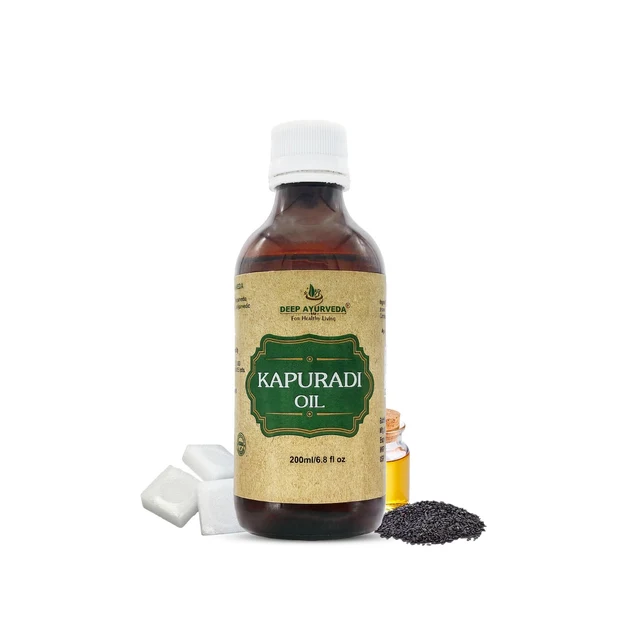
8. Perform Abhyanga (Self Oil Massage)
Daily body massage using warm herbal oils relaxes muscles and calms Vata dosha.
Benefits include:
- Better sleep
- Reduced anxiety
- Improved circulation
- Relaxed muscles
Recommended Product
9. Practice Deep Breathing (Pranayama)
Simple breathing exercises include:
- Anulom Vilom
- Bhramari
- Nadi Shodhana
These breathing techniques reduce anxiety within minutes.
10. Limit Screen Time
Excessive screen exposure overstimulates the brain.
Try to:
- Take breaks every hour
- Avoid screens before bedtime
- Spend time outdoors
11. Stay Hydrated
Dehydration may worsen fatigue and mood swings.
Drink:
- Warm water
- Herbal teas
- Coconut water
- Fresh fruit juices
12. Spend Time in Nature
Walking in parks or gardens helps calm the nervous system.
Even 20–30 minutes daily can improve emotional well-being.
13. Listen to Calming Music
Soft instrumental or devotional music reduces stress hormones and promotes relaxation.
14. Avoid Overthinking
Ayurveda encourages mindfulness.
Helpful practices include:
- Gratitude journaling
- Positive affirmations
- Reading spiritual literature
- Meditation
15. Consult an Ayurvedic Expert
Persistent stress or anxiety should not be ignored.
An Ayurvedic doctor can evaluate your dosha imbalance and recommend:
- Personalized herbs
- Panchakarma therapies
- Diet plans
- Lifestyle modifications
Professional guidance provides long-term relief rather than temporary symptom management.
Ayurvedic Products That May Support Stress Management
If you're looking to support your wellness journey naturally, explore these Ayurvedic products:
|
Product |
Purpose |
|
Stress & Energy Support |
|
|
Relaxation Massage |
|
|
Immunity & Wellness |
When Should You See an Ayurvedic Doctor?
Consult an Ayurvedic expert if you experience:
- Anxiety lasting more than two weeks
- Poor sleep
- Frequent headaches
- Mood swings
- Fatigue
- Digestive issues caused by stress
Early intervention can help prevent chronic health problems.
Final Thought
Stress is a part of modern life, but it doesn't have to control your well-being. By following these Ayurveda tips, maintaining a balanced lifestyle, eating nourishing foods, practicing yoga and meditation, and using Ayurvedic herbs responsibly, you can support your mind and body naturally.
For personalized Ayurvedic consultation and wellness solutions, visit PurshVeda and discover holistic approaches to managing stress and improving overall health.
Frequently Asked Questions
1. What are the best Ayurveda tips for reducing stress naturally?
The best Ayurveda tips include following a daily routine, practicing yoga and meditation, eating a Satvik diet, using herbs like Ashwagandha and Brahmi, getting adequate sleep, and performing daily Abhyanga (oil massage).
2. Which Ayurvedic herb is best for stress relief?
Ashwagandha is one of the most popular Ayurvedic herbs for stress management. It helps the body adapt to stress, supports energy levels, and promotes better sleep.
3. Can Ayurveda help with anxiety?
Ayurveda aims to restore balance in the body and mind through personalized diet, lifestyle changes, herbal support, yoga, and meditation. While many people find these approaches helpful, persistent or severe anxiety should also be evaluated by a qualified healthcare professional.
4. How long does Ayurveda take to reduce stress?
The timeline varies depending on the individual, lifestyle, and consistency of the practices. Some people notice improvements within a few weeks, while others may require a longer, personalized approach.
5. Is yoga necessary in Ayurveda for stress management?
Yoga is strongly recommended because it complements Ayurvedic principles by promoting physical relaxation, mental clarity, and emotional balance.
6. Which foods help reduce stress according to Ayurveda?
Ayurveda recommends fresh fruits, vegetables, whole grains, nuts, seeds, warm milk, ghee, and herbal teas while limiting processed foods, excess caffeine, refined sugar, and alcohol.

Comments ( 0 )
Leave A Comment