


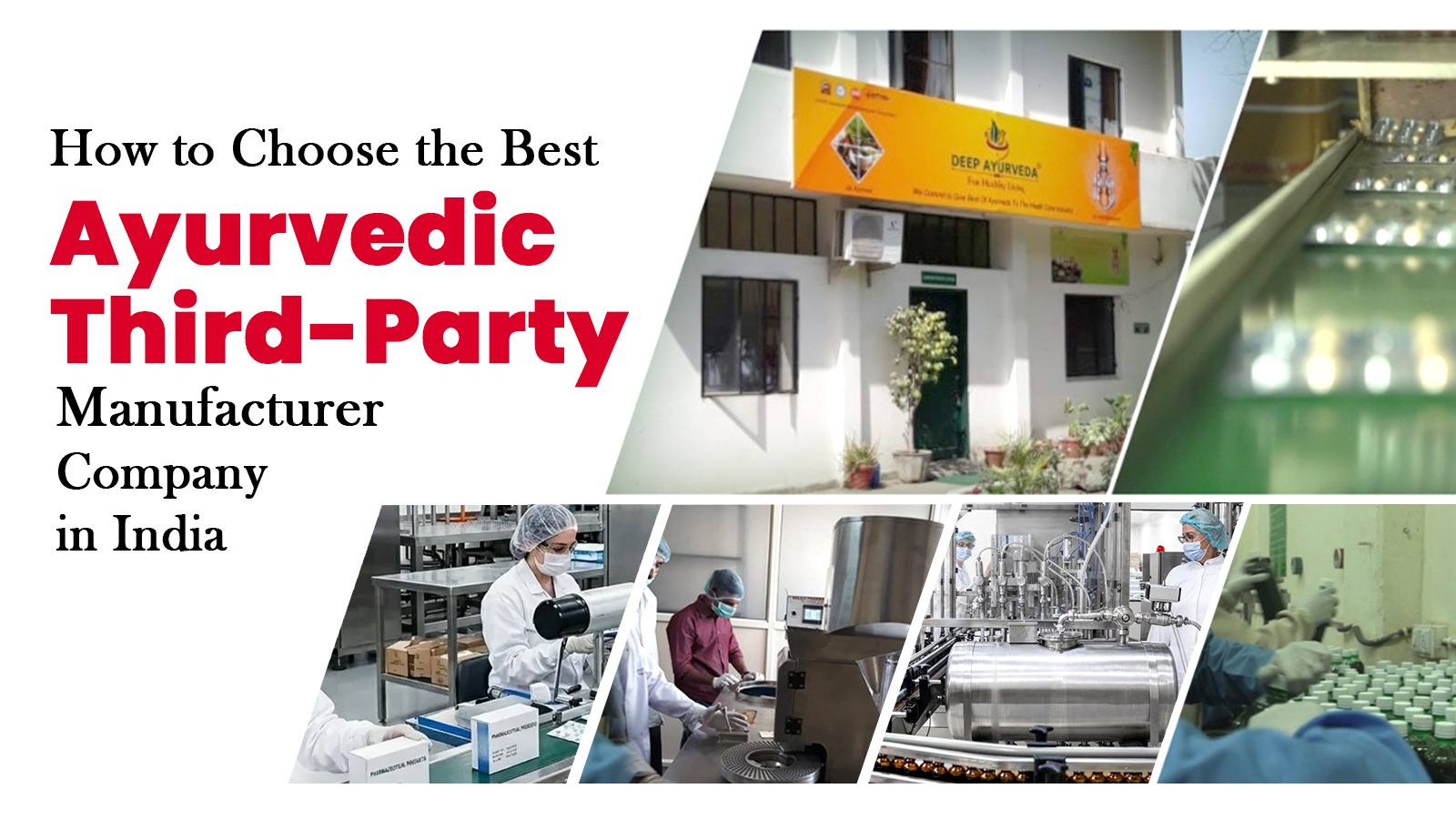
How to Choose the Best Ayurvedic Third Party Manufacturing Company in India
The demand for authentic and high-quality Ayurvedic products is growing rapidly, making it important for brands, doctors, clinics, wellness entrepreneurs, and distributors to choose the right ayurvedic third party manufacturing company. A reliable manufacturing partner can help you develop quality products, manage packaging and labeling, maintain regulatory compliance, and launch your Ayurvedic brand without investing in your own manufacturing facility. With the right partner, businesses can focus more on branding, marketing, sales, and customer relationships while the manufacturer manages production and quality control.
What Is Ayurvedic Third Party Manufacturing?
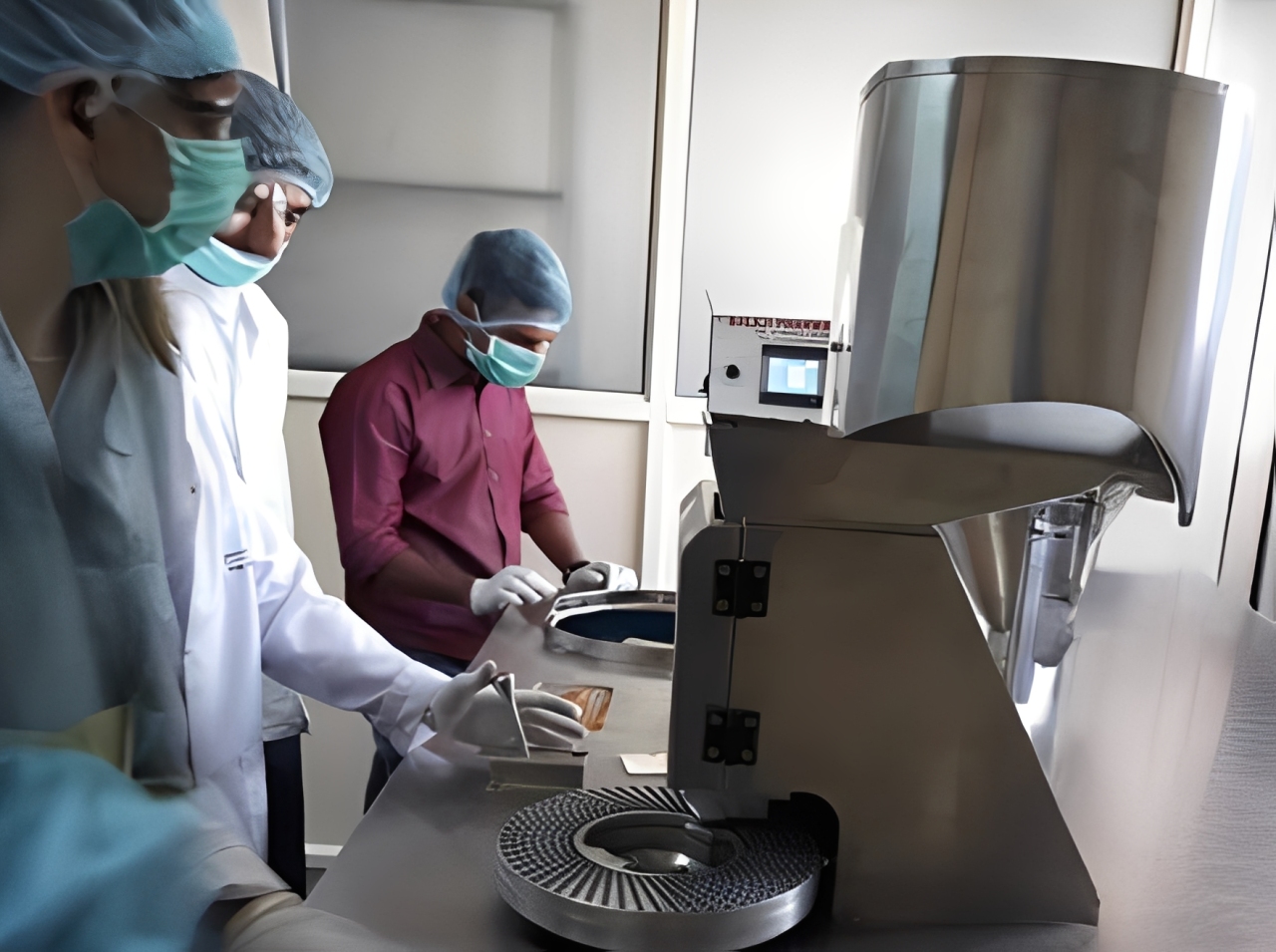
Ayurvedic third party manufacturing is a business model in which an established manufacturer produces Ayurvedic products for another business under its own brand name. The manufacturer may manage formulation, raw material sourcing, production, quality testing, packaging, labeling, and documentation.
This model is particularly useful for startups, healthcare professionals, clinics, wellness businesses, exporters, and established companies looking to expand their product portfolio without setting up a complete manufacturing facility.
A good Ayurvedic third party manufacturing company should offer more than just production. It should provide reliable quality, regulatory support, flexible order quantities, suitable formulations, professional packaging, and dependable delivery.
Why Choosing the Right Ayurvedic Manufacturer Matters
Your manufacturing partner directly influences the quality and consistency of your products. Choosing a manufacturer only because of a low price can create problems related to product quality, documentation, delivery timelines, packaging, and customer trust.
Before finalizing an Ayurvedic manufacturer, consider:
- Manufacturing certifications and licenses
- Product quality and testing procedures
- Experience in Ayurvedic manufacturing
- Available formulations and dosage forms
- Minimum order quantity (MOQ)
- Custom formulation capabilities
- Packaging and private-label services
- Regulatory and documentation support
- Production and delivery timelines
- Communication and customer support
A manufacturer that provides end-to-end support can make the product-launch process significantly easier.
8 Factors to Consider When Choosing an Ayurvedic Third Party Manufacturing Company
1. Check Manufacturing Certifications and Licenses
The first step is to verify whether the manufacturer operates according to applicable quality and regulatory requirements.
Look for a manufacturing facility with relevant certifications and licenses, such as GMP certification and applicable AYUSH licensing. These credentials can help demonstrate that the manufacturer follows established manufacturing and quality procedures.
PurshVeda's manufacturing page highlights a GMP-certified manufacturing unit and AYUSH licensing as part of its manufacturing services.
Always ask the manufacturer for relevant documentation and verify that the certifications apply to the products and manufacturing activities you require.
2. Evaluate Product Quality and Testing
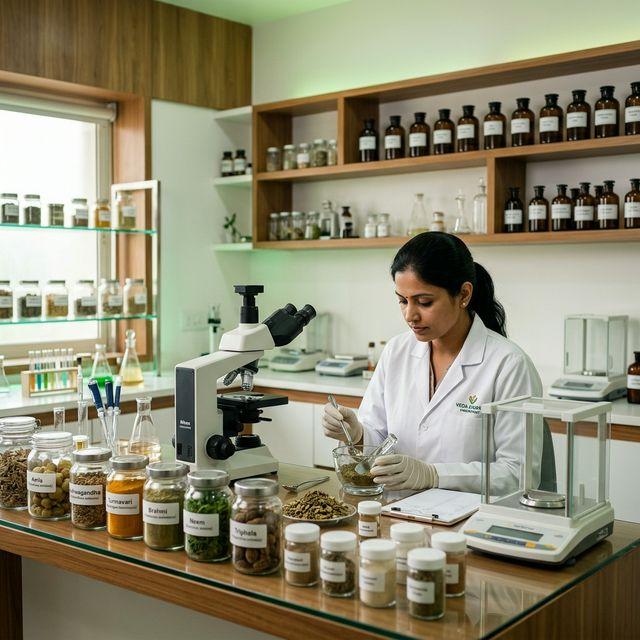
Quality should be one of your biggest priorities when selecting an Ayurvedic manufacturer.
Ask about:
- Raw material quality checks
- Batch testing
- Finished-product testing
- Certificate of Analysis (COA)
- Laboratory reports
- Quality-control procedures
- Product stability and shelf-life testing where applicable
A transparent manufacturer should be able to explain how quality is maintained from raw material procurement through finished-product dispatch.
PurshVeda states that its manufacturing process includes multi-stage quality testing and a Certificate of Analysis (COA) for produced batches.
3. Look for Ayurvedic Manufacturing Experience
Experience matters because Ayurvedic manufacturing involves specialized formulations, ingredients, production processes, packaging requirements, and regulatory considerations.
An experienced manufacturer can better understand the requirements of different businesses and product categories.
PurshVeda's manufacturing page highlights more than 20 years of Ayurvedic manufacturing expertise and a catalogue of more than 400 formulations.
When comparing manufacturers, consider their:
- Years of manufacturing experience
- Product portfolio
- Manufacturing capacity
- Research and development capabilities
- Experience with private-label brands
- Experience serving domestic and international markets
4. Check the Available Product Range
A manufacturer with a broad product catalogue can make it easier to build and expand your brand.
Depending on your business model, you may require products such as:
- Ayurvedic capsules
- Tablets
- Powders
- Herbal syrups
- Oils
- Superfoods
- Classical Ayurvedic formulations
- Herbal extracts
- Personal-care products
PurshVeda's manufacturing platform lists multiple categories and offers more than 400 ready-to-manufacture formulations.
Before choosing a manufacturer, ask whether they can support your current products as well as your future product plans.
5. Ask About Private Label Manufacturing
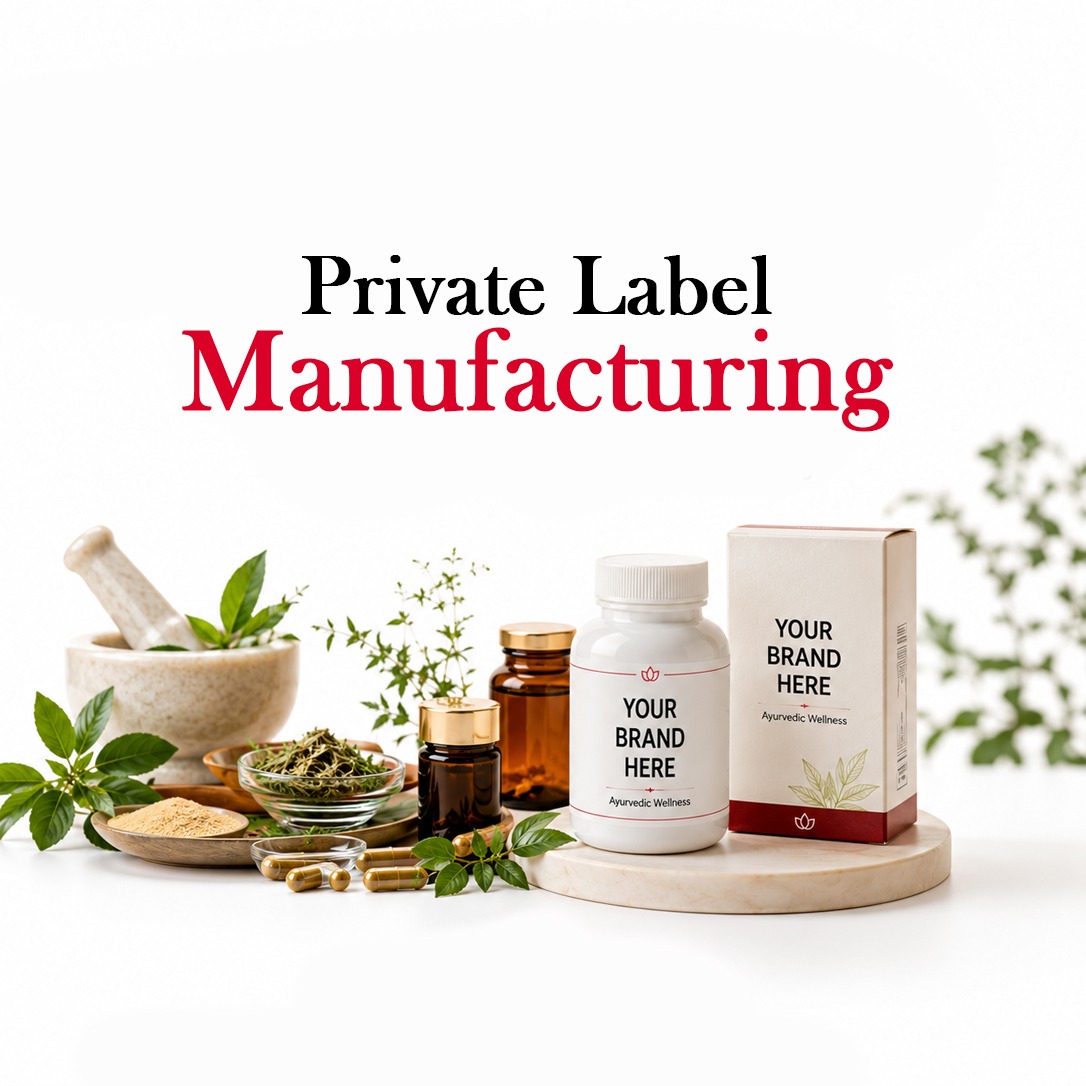
Private label manufacturing allows businesses to sell products under their own brand while the manufacturing partner handles production.
A complete private-label service may include:
- Product development
- Formula selection
- Custom formulation
- Bottle selection
- Label design
- Packaging
- Barcode and QR code support
- Product registration assistance
- COA and laboratory reports
- Export documentation
PurshVeda provides end-to-end private-label services covering product development, formula customization, packaging, labeling, documentation, and regulatory support.
This can be particularly beneficial for businesses that want to launch a professional Ayurvedic brand without managing every technical aspect themselves.
6. Compare Minimum Order Quantity
Minimum Order Quantity, or MOQ, is an important factor for startups and growing brands.
A high MOQ can increase your initial investment and create inventory-management challenges. Therefore, ask the manufacturer:
- What is the MOQ per product?
- Does MOQ vary by formulation?
- Does packaging affect MOQ?
- Is a lower MOQ available for selected products?
- What happens when you want to reorder?
PurshVeda currently states that manufacturing can start with quantities as low as 500 units for most product categories, while specific product configurations may have different MOQs.
Always confirm the exact MOQ for your selected formulation and packaging before placing an order.
7. Check Custom Formulation and R&D Support
If you want your brand to stand out, you may need a unique formulation rather than a standard catalogue product.
Ask whether the manufacturer provides:
- Custom formulation development
- R&D support
- Formula modification
- Ingredient selection
- Product testing
- Prototype or sample development
PurshVeda states that its R&D team can work on unique proprietary formulations in addition to its ready-to-manufacture formulation range.
A strong R&D capability can be valuable when developing products for a specific target audience or market.
8. Evaluate Delivery, Documentation, and Support
Manufacturing does not end when the product is produced. Packaging, documentation, logistics, and post-production support are equally important.
Before signing an agreement, ask about:
- Production timelines
- Packaging timelines
- Dispatch process
- Delivery coverage
- Batch documentation
- Export documentation
- Product registration support
- Dedicated project management
- After-sales communication
PurshVeda describes an eight-step manufacturing workflow covering consultation, formula selection, quotation, packaging design, manufacturing, quality testing, dispatch, and delivery.
Why Work With PurshVeda for Ayurvedic Third Party Manufacturing?
PurshVeda provides Ayurvedic third party and private-label manufacturing solutions for businesses looking to develop and launch their own Ayurvedic products.
According to its manufacturing page, the platform offers:
- 20+ years of Ayurvedic manufacturing expertise
- GMP-certified manufacturing
- AYUSH licensing
- 400+ ready formulations
- Custom formula development
- Low MOQ options
- Premium packaging
- Regulatory support
- Export documentation
- Dedicated project management
- Multi-stage quality testing
- COA support
- PAN India delivery
The objective is to provide businesses with a streamlined route from product concept and formulation selection to packaging, manufacturing, quality testing, and delivery.
Ayurvedic third party Manufacturing vs. Setting Up Your Own Factory
For many businesses, establishing an in-house manufacturing facility requires substantial investment in infrastructure, equipment, skilled professionals, quality-control systems, licenses, and ongoing operations.
Third party manufacturing can reduce the operational burden by allowing businesses to work with an established manufacturer.
|
Third Party Manufacturing |
Own Manufacturing Facility |
|
Lower initial infrastructure investment |
Higher infrastructure investment |
|
Faster product launch |
Longer setup process |
|
Manufacturer manages production |
Business manages production |
|
Access to existing formulations |
Requires own R&D/manufacturing setup |
|
Private-label options |
Complete internal control |
|
Suitable for startups and growing brands |
Suitable for large-scale dedicated operations |
The best option depends on your budget, business model, product requirements, expected volume, and long-term goals.
Questions to Ask Before Selecting a Manufacturer
Before finalizing an ayurvedic third party manufacturing company, prepare a checklist of questions:
- Is the manufacturing facility GMP certified?
- Does the company have the required AYUSH license?
- What products and dosage forms can you manufacture?
- What is the minimum order quantity?
- Do you offer private-label manufacturing?
- Can you develop custom formulations?
- What quality tests are performed?
- Will you provide COA and laboratory reports?
- What packaging options are available?
- What is the estimated production timeline?
- Do you provide regulatory support?
- Can you support exports?
- How is product artwork and labeling handled?
- Who will manage my manufacturing project?
- What are the payment and delivery terms?
Getting clear answers to these questions can help you compare manufacturers more effectively.
Final Thoughts
Choosing the right ayurvedic third party manufacturing company is an important decision for any business planning to launch or expand an Ayurvedic product brand. Do not evaluate manufacturers only on price. Consider quality standards, certifications, manufacturing experience, product range, MOQ, private label services, custom formulation capabilities, documentation, packaging, and customer support.
PurshVeda offers an integrated manufacturing and private-label solution designed to support businesses through different stages of product development and manufacturing. From ready formulations and custom development to packaging, quality testing, regulatory assistance, and delivery, the goal is to simplify the process of building an Ayurvedic product brand.
If you are planning to launch your own Ayurvedic products, selecting a dependable manufacturing partner can help you build a stronger foundation for long-term brand growth.

Comments ( 0 )
Leave A Comment