


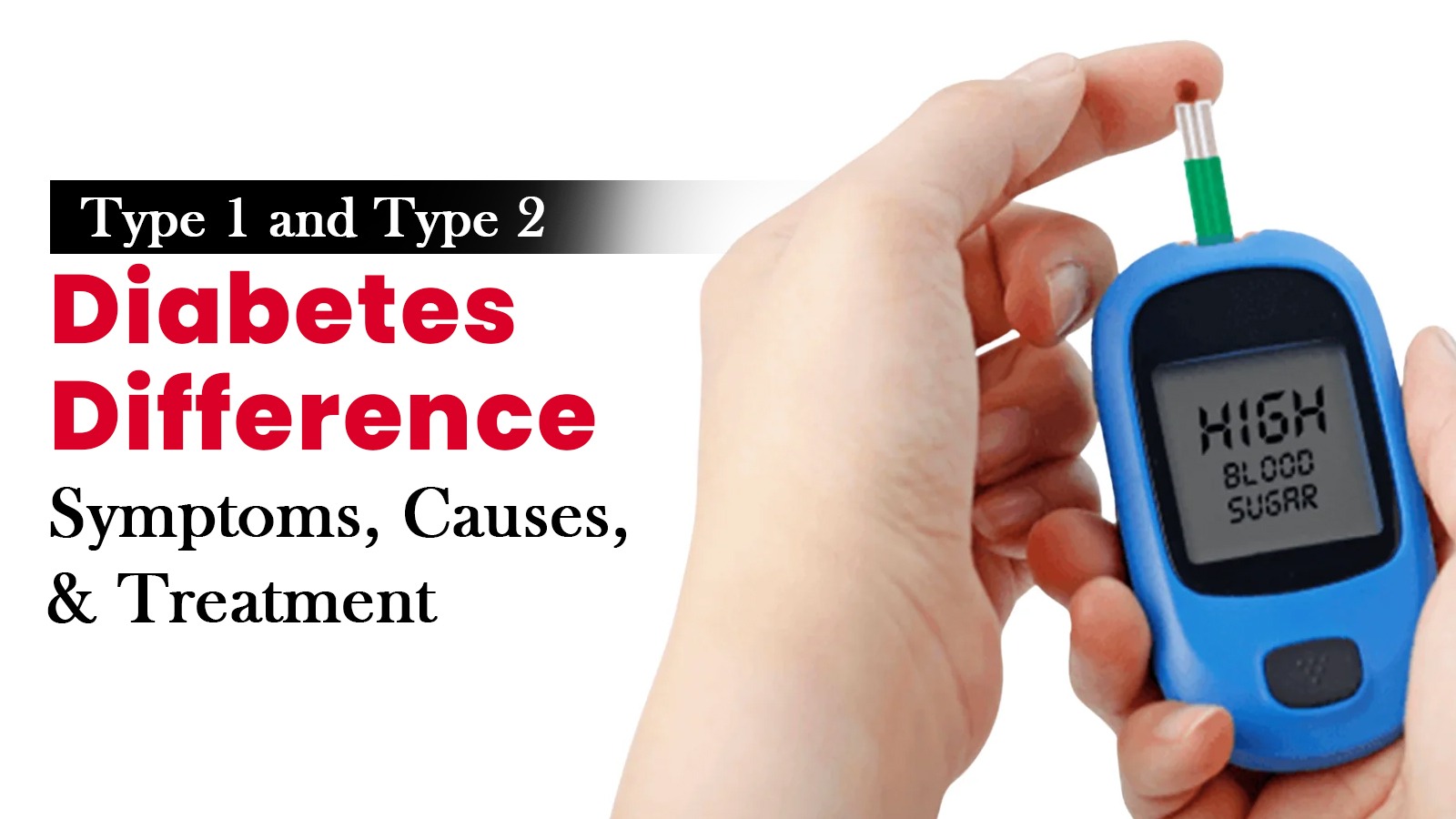
Type 1 and Type 2 Diabetes Difference: Symptoms, Causes, and Treatment
Understanding the Type 1 and Type 2 Diabetes Difference is important because although both conditions cause high blood sugar, their causes, progression, and treatment approaches can be different. Type 1 diabetes is generally associated with an autoimmune reaction that damages insulin-producing pancreatic cells, while Type 2 diabetes is commonly associated with insulin resistance and insufficient insulin production. Recognizing these differences can help people seek appropriate medical evaluation and develop a suitable diabetes management plan.
Diabetes is a chronic condition in which blood glucose levels become too high. Without proper management, persistently elevated blood glucose can contribute to complications affecting the heart, kidneys, eyes, nerves, and other parts of the body.
What Is Type 1 Diabetes?
Type 1 diabetes is an autoimmune condition in which the body's immune system attacks the pancreatic beta cells responsible for producing insulin. As a result, the body produces little or no insulin.
Insulin is necessary for glucose to move from the bloodstream into cells where it can be used for energy. People with Type 1 diabetes generally need insulin every day to manage blood glucose and survive.
Type 1 diabetes is often diagnosed in children, teenagers, and young adults, but it can develop at any age.
Common Symptoms of Type 1 Diabetes
Symptoms of Type 1 diabetes may develop relatively quickly and can include:
- Frequent urination
- Excessive thirst
- Increased hunger
- Unexplained weight loss
- Fatigue
- Blurred vision
- Frequent infections
- Slow-healing sores
In some cases, Type 1 diabetes may first become apparent through diabetic ketoacidosis (DKA), which requires urgent medical attention. Symptoms of DKA can include nausea, vomiting, abdominal pain, difficulty breathing, extreme tiredness, dehydration, and fruity-smelling breath.
What Is Type 2 Diabetes?
Type 2 diabetes is the most common form of diabetes. It develops when the body's cells do not respond effectively to insulin, a condition known as insulin resistance. Over time, the pancreas may also fail to produce enough insulin to maintain healthy blood glucose levels.
Type 2 diabetes can occur at any age, although the risk generally increases with factors such as increasing age, family history, overweight or obesity, physical inactivity, and a history of prediabetes.
Common Symptoms of Type 2 Diabetes
Type 2 diabetes can develop gradually, and some people may have few or no noticeable symptoms for a long time.
Possible symptoms include:
- Increased thirst
- Frequent urination
- Increased hunger
- Tiredness
- Blurred vision
- Numbness or tingling in the hands or feet
- Slow-healing sores
- Frequent infections
- Unexplained weight loss
Because symptoms can be mild or absent, regular health checkups and appropriate blood glucose testing can be important, especially for people with risk factors.
Type 1 and Type 2 Diabetes Difference
The following comparison provides a simple overview:
|
Feature |
Type 1 Diabetes |
Type 2 Diabetes |
|
Main mechanism |
Autoimmune destruction of insulin-producing beta cells |
Insulin resistance combined with inadequate insulin production |
|
Insulin production |
Little or none |
May initially be present but may become insufficient |
|
Usual onset |
Often childhood or young adulthood, but can occur at any age |
More common in adulthood but can occur at any age |
|
Symptom development |
Often develops relatively quickly |
Often develops gradually |
|
Insulin requirement |
Daily insulin is generally necessary |
Some people require insulin; others may manage with lifestyle changes and/or other medicines |
|
Prevention |
Currently cannot generally be prevented |
Risk can often be reduced or delayed through lifestyle and risk-factor management |
|
Major risk factors |
Family history and autoimmune factors |
Family history, overweight/obesity, physical inactivity, prediabetes and other factors |
The exact diagnosis and treatment plan should always be determined by a qualified healthcare professional because diabetes can present differently from person to person.
Causes of Type 1 and Type 2 Diabetes
Causes of Type 1 Diabetes
Type 1 diabetes develops when the immune system mistakenly attacks insulin-producing beta cells in the pancreas. Genetic susceptibility and environmental factors may contribute to this autoimmune process, although the complete cause is not yet fully understood.
Type 1 diabetes is not simply caused by eating too much sugar or having an unhealthy lifestyle.
Causes of Type 2 Diabetes
Type 2 diabetes develops through a combination of genetic, metabolic, and lifestyle-related factors. Important risk factors can include:
- Insulin resistance
- Overweight or obesity
- Physical inactivity
- Family history of diabetes
- Prediabetes
- Increasing age
- Previous gestational diabetes
Not everyone with Type 2 diabetes has the same risk factors, and having a risk factor does not mean that someone will definitely develop diabetes.
How Is Diabetes Diagnosed?
Healthcare professionals use blood glucose tests to diagnose diabetes. Depending on the situation, they may use tests such as fasting blood glucose, random blood glucose, or HbA1c testing.
Additional tests may sometimes be needed to determine whether a person has Type 1, Type 2, or another form of diabetes. For example, healthcare professionals may use autoantibody testing or C-peptide testing when the type of diabetes is unclear.
Self-diagnosis based only on symptoms is not recommended.
Treatment and Management of Type 1 Diabetes
Because people with Type 1 diabetes produce little or no insulin, insulin replacement is a central part of treatment.
Diabetes management may include:
- Insulin therapy
- Regular blood glucose monitoring
- Healthy and balanced nutrition
- Regular physical activity as advised by a healthcare professional
- Diabetes education
- Regular medical follow-ups
- Monitoring for diabetes-related complications
Insulin can be delivered through injections, pens, or insulin pumps depending on the individual's treatment plan.
Treatment and Management of Type 2 Diabetes
Type 2 diabetes management generally focuses on improving blood glucose control and reducing the risk of complications.
A management plan may include:
- Balanced meal planning
- Regular physical activity
- Weight management where appropriate
- Blood glucose monitoring
- Prescribed diabetes medicines
- Insulin when required
- Management of blood pressure and cholesterol
- Regular medical checkups
The treatment needed can change over time. Some people with Type 2 diabetes may require more than one medicine or eventually insulin therapy.
Can Ayurveda Help With Diabetes Management?
Ayurveda traditionally emphasizes individualized care, balanced nutrition, daily routines, physical activity, stress management, and overall lifestyle balance.
At PurshVeda, an Ayurvedic approach to diabetes management may focus on understanding the individual's health status, lifestyle, dietary habits, and overall wellness before suggesting supportive measures.
However, Ayurvedic care should not be considered a replacement for prescribed insulin or other essential diabetes medicines, particularly for Type 1 diabetes. People with diabetes should discuss any Ayurvedic herbs, supplements, dietary changes, or complementary therapies with their healthcare professional because some products may affect blood glucose or interact with medicines.
You can learn more about PurshVeda's approach to Diabetes Management here:
Diet and Lifestyle for Diabetes Management
Lifestyle habits can play an important role in diabetes management, particularly for Type 2 diabetes.
Helpful habits may include:
1. Choose Balanced Meals
Focus on a balanced eating pattern that includes vegetables, whole grains or other high-fiber foods, appropriate protein sources, and controlled portions of carbohydrate-rich foods.
2. Stay Physically Active
Regular physical activity can support insulin sensitivity, cardiovascular health, and overall wellbeing. The type and intensity of exercise should be appropriate for the individual's health condition.
3. Maintain a Healthy Weight
For people with overweight or obesity and Type 2 diabetes, weight management can be an important part of improving metabolic health.
4. Monitor Blood Glucose
Regular monitoring, when recommended by a healthcare professional, can help people understand how food, activity, stress, and medicines affect their blood glucose.
5. Follow Your Treatment Plan
Do not stop or change prescribed diabetes medication without discussing it with your healthcare professional.
Why Knowing the Difference Matters
Knowing the Type 1 and Type 2 Diabetes Difference is more than an academic distinction. The underlying mechanisms are different, so treatment requirements can also be different.
For example, a person with Type 1 diabetes generally requires insulin every day, whereas Type 2 diabetes may initially be managed with lifestyle changes and/or non-insulin medicines, depending on the individual's condition.
Understanding the type of diabetes you have can therefore help you and your healthcare team create a more appropriate management strategy.
When Should You Consult a Doctor?
You should consider consulting a healthcare professional if you experience symptoms such as:
- Excessive thirst
- Frequent urination
- Unexplained weight loss
- Persistent fatigue
- Blurred vision
- Slow-healing wounds
- Recurrent infections
- Numbness or tingling in the hands or feet
If symptoms are severe or there are signs of diabetic ketoacidosis—such as difficulty breathing, vomiting, abdominal pain, severe dehydration, or fruity-smelling breath—urgent medical attention is required.
Final Thoughts
The Type 1 and Type 2 Diabetes Difference mainly lies in how the body produces and uses insulin. Type 1 diabetes involves an autoimmune destruction of insulin-producing cells and generally requires lifelong insulin therapy. Type 2 diabetes primarily involves insulin resistance and insufficient insulin production and can often be managed through a combination of lifestyle changes, medicines, and, when needed, insulin.
Early diagnosis, appropriate treatment, healthy lifestyle habits, and regular monitoring can help people manage diabetes and reduce the risk of long-term complications.
If you are looking for personalized support, PurshVeda offers an Ayurvedic approach to diabetes management alongside the importance of appropriate medical care.

Comments ( 0 )
Leave A Comment