


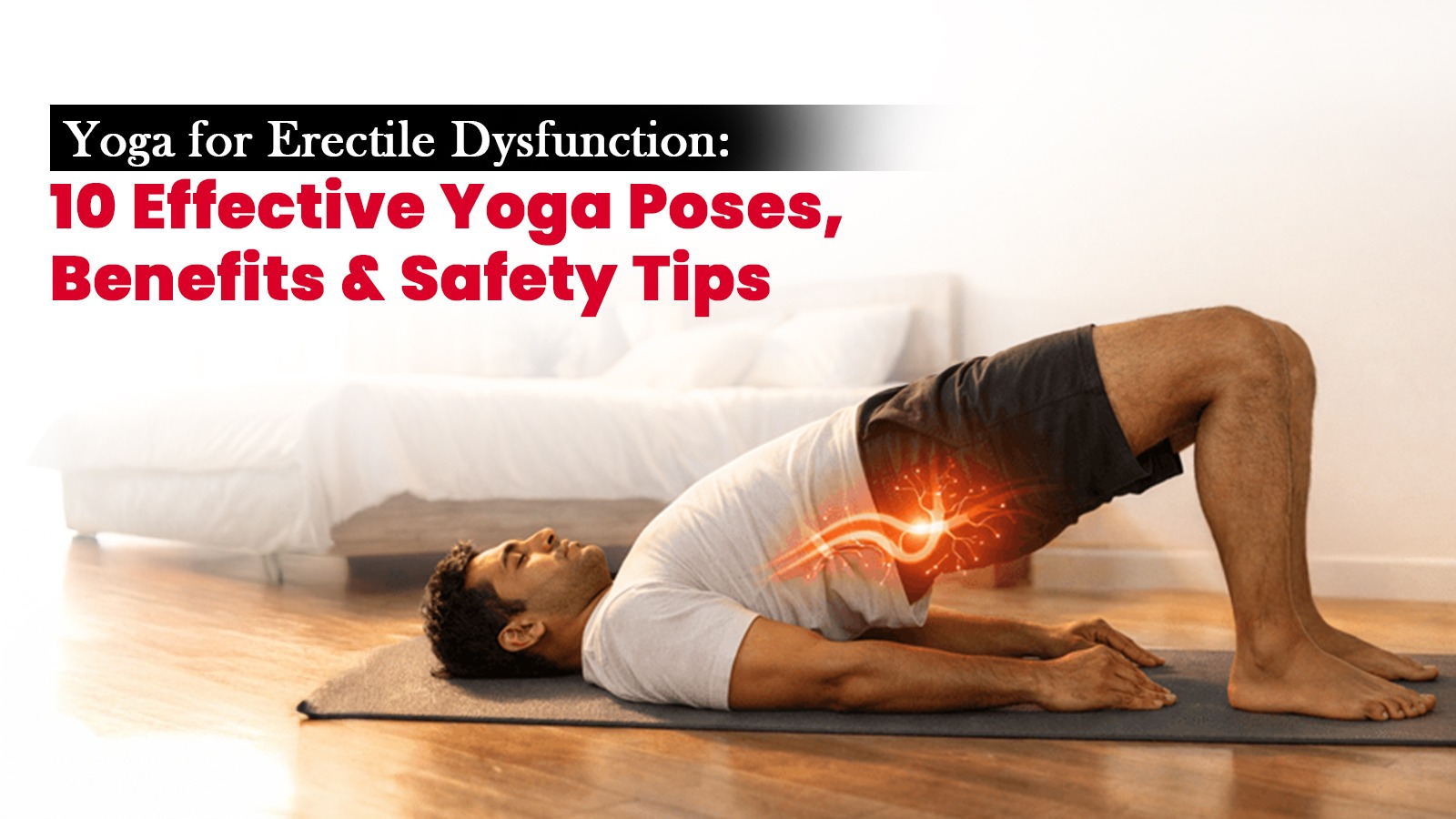
Yoga for Erectile Dysfunction: 10 Effective Yoga Poses, Benefits & Safety Tips
Yoga for Erectile Dysfunction can be a useful part of a healthy lifestyle, particularly when combined with regular physical activity, stress management, adequate sleep, balanced nutrition, and appropriate medical or professional guidance. Erectile dysfunction (ED) can have several possible causes, including cardiovascular and metabolic conditions, hormonal or neurological factors, psychological stress, and lifestyle factors. Therefore, yoga should be considered supportive rather than a guaranteed standalone treatment.
At PurshVeda, erectile dysfunction is approached from a holistic perspective that considers physical health, lifestyle, mental wellbeing, and individual factors. Its ED treatment approach includes Ayurvedic doctor consultation, customized diet and lifestyle guidance, psychological counselling, and other personalized recommendations.
What Is Erectile Dysfunction?
Erectile dysfunction is the persistent or recurrent difficulty achieving or maintaining an erection sufficient for satisfactory sexual activity.
Occasional difficulty with erections can happen because of stress, tiredness, anxiety, or other temporary factors. However, persistent or recurrent erectile difficulties may require professional evaluation.
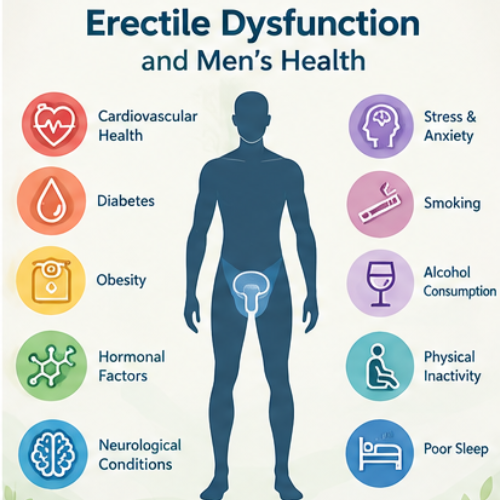
ED can be associated with several factors, including:
- Cardiovascular and blood-flow-related conditions
- Diabetes and metabolic health concerns
- Obesity
- Hormonal factors
- Neurological conditions
- Stress and anxiety
- Performance pressure
- Smoking
- Excessive alcohol consumption
- Physical inactivity
- Poor sleep
- Certain medicines or health conditions
PurshVeda erectile dysfunction treatment page also identifies lifestyle, psychological, hormonal, neurological, and cardiovascular factors among potential contributors to ED.
Can Yoga Help With Erectile Dysfunction?
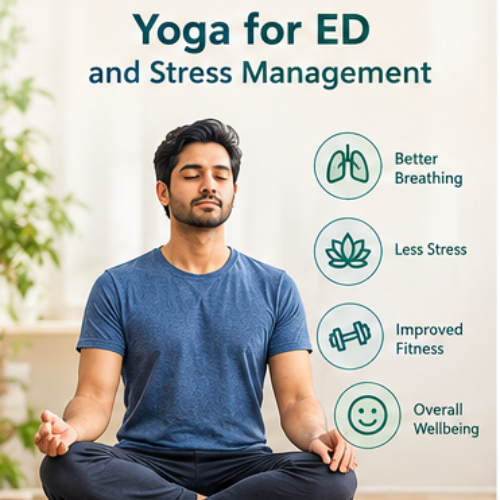
Yoga may support aspects of health that are relevant to erectile function, such as physical activity, flexibility, stress management, relaxation, and general wellbeing.
Research on lifestyle interventions has found that exercise and other lifestyle approaches can produce modest improvements in erectile function, although results vary and exercise should not be viewed as a replacement for appropriate evaluation or treatment.
European Association of Urology guidance also recommends lifestyle and risk-factor modification as part of ED management and notes that physical activity, particularly aerobic exercise, may improve sexual function in men with ED.
Yoga may therefore be incorporated into a broader healthy routine, especially for people whose ED is influenced by stress, inactivity, poor fitness, or other modifiable lifestyle factors.
10 Yoga Poses for Erectile Dysfunction
Below are commonly practiced yoga poses that can be included in a gentle fitness and relaxation routine. They should be performed comfortably and without pain.
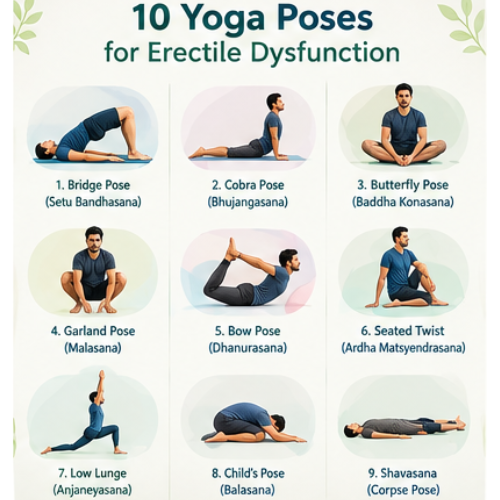
1. Setu Bandhasana — Bridge Pose
Setu Bandhasana involves lying on your back and lifting the hips while keeping the feet grounded.
Potential benefits:
- Strengthens the lower body
- Engages the pelvic and core region
- Supports flexibility
- Encourages controlled breathing and body awareness
How to practice:
- Lie on your back.
- Bend your knees and place your feet on the floor.
- Keep your feet approximately hip-width apart.
- Press through your feet and gently lift your hips.
- Hold for a comfortable period while breathing normally.
- Slowly lower your hips.
Do not force the movement or hold your breath.
2. Bhujangasana — Cobra Pose
Bhujangasana is a gentle backbend commonly included in yoga routines.
Potential benefits:
- Encourages spinal mobility
- Strengthens parts of the back
- Opens the front of the body
- Can support general physical conditioning
How to practice:
- Lie on your stomach.
- Place your palms near your shoulders.
- Keep your elbows close to your body.
- Gently lift your chest.
- Keep the movement controlled.
- Return slowly to the starting position.
Avoid excessive bending or pressure on the lower back.
3. Paschimottanasana — Seated Forward Bend
Paschimottanasana involves sitting with the legs extended and gently bending forward.
Potential benefits:
- Encourages flexibility
- Promotes relaxation
- Supports mindful breathing
- May help incorporate stretching into a regular routine
Do not force yourself to touch your toes. The movement should remain comfortable.
4. Baddha Konasana — Butterfly Pose
Baddha Konasana is performed by bringing the soles of the feet together while sitting.
Potential benefits:
- Opens the hips
- Encourages flexibility in the inner thighs
- Supports relaxed breathing
- Can be useful as part of a gentle mobility routine
Sit upright and avoid pushing the knees downward forcefully.
5. Malasana — Garland Pose
Malasana is a deep squat position often used to improve lower-body mobility.
Potential benefits:
- Works the lower-body muscles
- Encourages hip and ankle mobility
- Supports functional movement
- Can complement an active lifestyle
If a deep squat is uncomfortable, use support or choose a modified version.
6. Dhanurasana — Bow Pose
Dhanurasana is a more demanding posture that involves lifting the chest and thighs while holding the ankles.
Potential benefits:
- Engages multiple muscle groups
- Encourages spinal and hip mobility
- Can be incorporated into a broader strengthening routine
Because this pose can be physically demanding, beginners should learn it gradually and ideally under qualified instruction.
7. Ardha Matsyendrasana — Half Spinal Twist
This seated twisting posture encourages controlled movement through the spine.
Potential benefits:
- Supports spinal mobility
- Encourages body awareness
- Provides a gentle stretching movement
- Can be included in a balanced yoga routine
Keep the twist controlled and avoid forcing the range of motion.
8. Anjaneyasana — Low Lunge
Anjaneyasana is a lunge-based posture that stretches the hip-flexor region.
Potential benefits:
- Supports hip mobility
- Stretches the front of the hip
- Improves lower-body flexibility
- Can complement other mobility exercises
Use a comfortable stance and avoid excessive pressure on the knee.
9. Balasana — Child's Pose
Balasana is a restorative yoga posture often used for relaxation.
Potential benefits:
- Encourages relaxation
- Provides a gentle stretch
- Can be used between more active postures
- Supports mindful breathing
It can be particularly useful when creating a calm end to a yoga session.
10. Shavasana — Corpse Pose
Shavasana is performed by lying comfortably on the back and consciously relaxing the body.
Potential benefits:
- Encourages relaxation
- Supports mindful breathing
- Helps create a calm finish to a yoga session
- May be useful for stress-management routines
Since psychological factors such as stress and anxiety can contribute to ED, relaxation practices may be a useful part of overall wellbeing.
Suggested Beginner Yoga Routine for ED Support
If you are new to yoga, you do not need to start with all 10 poses.
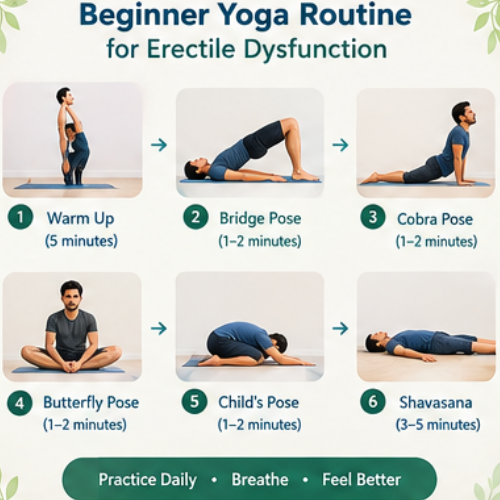
A simple routine could include:
Warm-up → Baddha Konasana → Bhujangasana → Setu Bandhasana → Anjaneyasana → Ardha Matsyendrasana → Balasana → Shavasana
Focus on slow, controlled movements and comfortable breathing rather than trying to perform advanced poses.
Consistency is generally more practical than an intense routine performed occasionally.
Potential Benefits of Yoga for Men's Sexual Health
1. Supports Physical Activity
Regular physical activity is an important part of a healthy lifestyle. Evidence suggests that exercise-based lifestyle interventions can modestly improve erectile function in men with ED.
2. May Help With Stress Management
Stress and anxiety can contribute to sexual difficulties, including performance anxiety. Relaxation and breathing practices may help people manage stress as part of a broader approach.
3. Supports Flexibility and Mobility
Regular yoga can improve flexibility and body awareness, helping support general physical wellbeing.
4. Encourages a Healthy Routine
A regular yoga practice can become part of a broader daily routine that includes physical activity, adequate sleep, healthy food choices, and stress management.
5. Supports Overall Wellbeing
Yoga should not be viewed only through the lens of sexual health. Its broader role can include physical movement, relaxation, flexibility, and mindfulness.
Yoga Alone May Not Address the Cause of ED
It is important not to assume that erectile dysfunction is caused only by stress or lack of exercise.
ED can sometimes be associated with cardiovascular disease, diabetes, hormonal issues, neurological conditions, medication effects, or psychological factors.
For this reason, persistent erectile difficulties should be discussed with a qualified healthcare professional.
Yoga can be a supportive lifestyle practice, but it should not delay appropriate medical evaluation.
Yoga, Ayurveda and Lifestyle Support at PurshVeda
PurshVeda takes a personalized approach to erectile dysfunction that considers physical health, lifestyle, and psychological wellbeing.
According to the PurshVeda ED treatment page, its approach includes:
Step 1: Ayurvedic Doctor Consultation
The consultation includes assessment of the individual's health concerns and Ayurvedic factors such as Prakriti.
Step 2: Customized Diet & Lifestyle Plan
Lifestyle guidance may include nutrition, meal timing, sleep, daily routine, and yoga practices.
Step 3: Psychological Counselling
Stress, anxiety, and psychological factors can be relevant to sexual health. Professional counselling may therefore form part of an individualized care plan when appropriate.
Step 4: Individualized Guidance
Treatment recommendations should be based on the individual's health history, symptoms, and professional assessment rather than applying the same approach to everyone.
If you are experiencing persistent erectile difficulties, consult with a PurshVeda qualified healthcare professional to understand whether online or in-person evaluation is appropriate.
Safety Tips Before Practicing Yoga for ED
Yoga is generally suitable for many people when practiced appropriately, but not every pose is suitable for everyone.
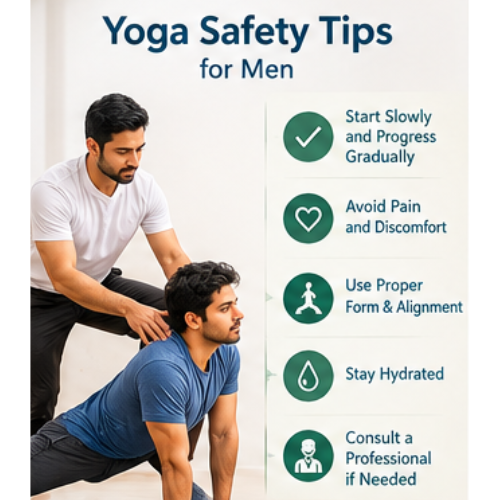
Keep these safety points in mind:
- Start with beginner-friendly poses.
- Do not force a stretch.
- Stop if you experience sharp or unusual pain.
- Maintain comfortable breathing.
- Avoid advanced poses without proper instruction.
- Consider your existing health conditions before beginning a new exercise routine.
- Speak with a healthcare professional if you have significant cardiovascular, musculoskeletal, neurological, or other health concerns.
- Do not stop prescribed medication because you have started yoga.
- Seek professional evaluation if erectile dysfunction is persistent or recurrent.
Current ED guidance recommends addressing lifestyle and modifiable risk factors alongside appropriate treatment rather than relying on one intervention alone.
When Should You See a Doctor for Erectile Dysfunction?
Consider consulting a healthcare professional if:
- Erectile difficulties happen repeatedly.
- The problem continues for several weeks or longer.
- ED is affecting your confidence or relationship.
- You have diabetes, hypertension, cardiovascular disease, or other chronic conditions.
- You have symptoms suggesting a hormonal or neurological issue.
- You are taking medicines that may affect sexual function.
- Lifestyle changes have not improved the problem.
ED can sometimes be associated with underlying health conditions, so persistent symptoms deserve appropriate evaluation.
Final Thoughts
Yoga for Erectile Dysfunction can be included as part of a healthy lifestyle focused on physical activity, relaxation, flexibility, stress management, and overall wellbeing. Poses such as Setu Bandhasana, Bhujangasana, Baddha Konasana, Malasana, and Shavasana can form part of a gentle yoga routine.
However, yoga should not be presented as a guaranteed cure for erectile dysfunction. ED can have multiple physical and psychological causes, and the most appropriate approach depends on the individual.
Along with yoga, maintaining a healthy weight, staying physically active, eating a balanced diet, managing stress, getting adequate sleep, and seeking professional healthcare advice can all contribute to a comprehensive approach to men's health.

For persistent erectile difficulties, consult with a PurshVeda qualified Ayurvedic doctor for personalized guidance.

Comments ( 0 )
Leave A Comment