)
Thyroid disorders are increasingly common today, affecting both men and women due to stress, lifestyle imbalance, and hormonal disruptions. The thyroid gland plays a crucial role in regulating metabolism, energy levels, weight, mood, and overall body functions. When the thyroid is not functioning properly, it can lead to conditions like hypothyroidism or hyperthyroidism, impacting daily life and long-term health. At Purshveda, we approach thyroid disorders not just as a hormonal disorder but as a holistic imbalance of body, mind, and metabolism, offering natural and personalized Ayurvedic solutions for long-term healing.
What is Thyroid Disorders Treatment?
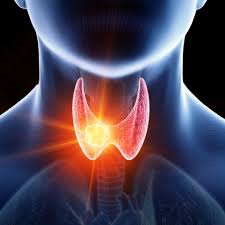
Thyroid Disorders refers to the management and treatment of disorders related to the thyroid gland, which produces hormones responsible for controlling metabolism and energy.
Thyroid disorders mainly include:
- Hypothyroidism (underactive thyroid)
- Hyperthyroidism (overactive thyroid)
It is important to identify thyroid imbalance early, especially when symptoms are:
- Persistent over time
- Affecting daily energy and weight
- Impacting mood and mental health
Thyroid Disorders Symptoms
- Unexplained weight gain or weight loss
- Fatigue and low energy levels
- Hair fall and dry skin
- Irregular menstrual cycles (in women)
- Mood swings, anxiety, or depression
- Sensitivity to cold or heat
- Swelling in the neck (the thyroid gland enlargement)
- Poor concentration and brain fog
- Slow or rapid heartbeat
- Weakness and reduced stamina
Thyroid Disorders Causes
- Hormonal imbalance affecting thyroid function
- Autoimmune conditions (like Hashimoto’s or Graves’ disease)
- Poor diet and nutritional deficiencies (iodine, selenium, etc.)
- Chronic stress and mental fatigue
- Sedentary lifestyle and lack of exercise
- Genetic predisposition
- Poor digestion and metabolism
- Environmental toxins and pollution
- Irregular sleep patterns
Modern (Allopathy) Perspective, Treatment & Side Effects
Modern Medical Perspective
Modern medical science considers thyroid disorders primarily as a result of hormonal imbalance or autoimmune dysfunction affecting thyroid hormone production.
Common Treatments
- Hormone Replacement Therapy (Levothyroxine for hypothyroidism)
- Anti-thyroid Medications (for hyperthyroidism)
- Radioactive Iodine Therapy
- Surgery (in severe or complicated cases)
Limitations & Side Effects
While effective in managing hormone levels, allopathy treatments have certain limitations:
- Lifelong dependency on medication
- Focus on symptom management, not root cause
- Possible side effects like palpitations, anxiety, or weight changes
- Hormonal fluctuations if dosage is not balanced
- Does not address lifestyle and metabolic imbalance
Ayurvedic Perspective, Causes & Treatment
According to Ayurveda, thyroid disorders are caused by imbalance in Tridosha (Vata, Pitta, Kapha) along with weak Agni (digestive fire) and toxin accumulation (Ama).
Thyroid imbalance is often linked with:
- Kapha imbalance: sluggish metabolism, weight gain
- Pitta imbalance: overactivity, inflammation
- Vata imbalance: hormonal instability and stress
Ayurvedic Causes
- Weak digestion (Mandagni)
- Accumulation of toxins (Ama)
- Chronic stress and emotional imbalance
- Improper diet and lifestyle
- Poor metabolism and tissue nourishment
- Hormonal disruption due to dosha imbalance
Ayurvedic Treatment Approach
- Herbal Medications: Use of classical herbs like Kanchanar, Ashwagandha, Guggul, and Brahmi to balance hormones and metabolism.
- Detoxification (Panchakarma): Helps in removing toxins and restoring dosha balance.
- Diet & Lifestyle Correction: Focus on balanced nutrition, proper routine, yoga, and stress management.
Treatment at Purshveda: 4-Step Holistic Protocol
At Purshveda, thyroid disorders are treated through a personalized and root-cause-based approach:
Step 1: Ayurvedic Doctor Consultation
A detailed consultation includes Prakriti (body constitution) analysis and root cause identification. Based on this, a customized treatment plan is created using 100% natural and certified Ayurvedic formulations.
Step 2: Customized Diet & Lifestyle Plan
Patients receive a structured plan that includes foods to eat and avoid, meal timing and routine correction, weight management guidance, and a yoga/physical activity plan.
Step 3: Psychological Counseling
Since stress plays a major role in metabolism and thyroid health, we provide emotional and mental health support, stress and anxiety management, and promote structural hormonal balance through mental wellness plans.
Step 4: Medical Astrology Guidance
Purshveda also provides personalized guidance based on birth details, energy balance insights, and supportive remedies for long-term healing.